

- Follow the storage line on each label; many medicines say 'store below 25 °C' or 'below 30 °C'.
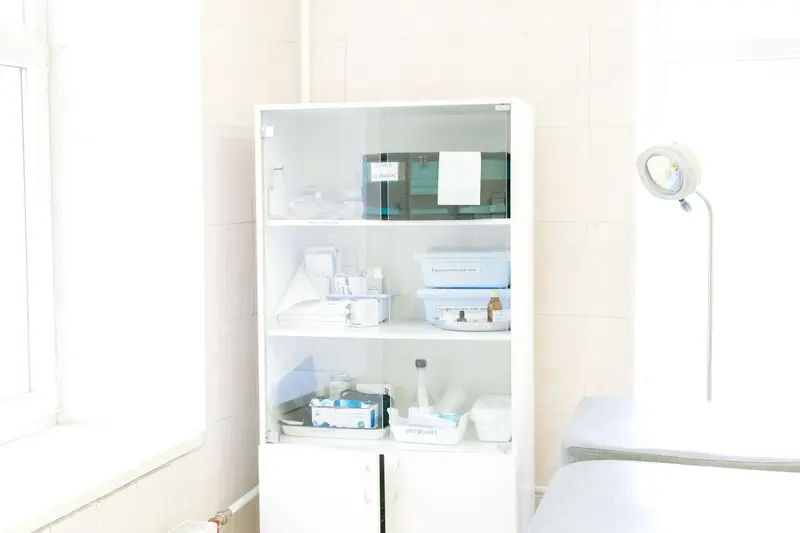
- Choose a cool, dry, dark cupboard away from the kitchen, bathroom, windows and the car.
- Fridge medicines go in the main body of the fridge, never the freezer or the door.
- If a medicine has changed colour, smell or texture, do not use it; ask a pharmacist.
Karachi summers are long, hot and humid, and power cuts can turn an ordinary flat into an oven by mid-afternoon. Medicines are designed to stay stable within certain temperature limits, and heat, sunlight and moisture can shorten their life or make them less effective. This guide explains how to store medicines in hot weather at home, on the move and during load-shedding.
Why does heat affect medicines?
Heat, humidity and light can change the chemicals in a medicine, damage the coating of tablets, soften capsules and creams, and separate liquids. A medicine may still look normal while working less well. That is why manufacturers test each product and print a storage temperature on the label.
Some forms are more sensitive than others:
- Insulin and some injections - very sensitive to both heat and freezing.
- Suppositories and pessaries - can melt in the heat.
- Creams and ointments - can separate or become runny.
- Capsules - can soften and stick together in humidity.
- Inhalers - pressurised canisters should not be left in direct sun or in hot places.
- Eye drops and liquid antibiotics - may need the fridge once opened or mixed.
How do I read the storage instructions on a label?
Look for a line on the box or leaflet that begins “Store…”. Most medicines are labelled “store below 25 °C” or “store below 30 °C”, often with “protect from light and moisture”. Fridge medicines say “store in a refrigerator” or “2-8 °C”. Follow exactly what your pack says.
| Label wording | What it means at home |
|---|---|
| Store below 25 °C | Needs a cool spot; in Karachi summer, choose the coolest room and keep it out of the sun |
| Store below 30 °C | A shaded indoor cupboard is usually fine; avoid kitchens, cars and windowsills |
| Protect from light | Keep in the original box or opaque container |
| Protect from moisture / keep dry | Keep the lid tightly closed; avoid bathrooms and steam |
| Store in a refrigerator (2-8 °C) | Main body of the fridge, never the freezer or the door |
| Do not freeze | Keep away from the freezer and the back wall of the fridge |
| Once opened, use within … | Write the opening date on the pack |
If you cannot find the storage line, or the text is too small, ask a pharmacist to read it with you.
Where is the best place to keep medicines at home in Karachi?
The best place is a closed cupboard or drawer in the coolest, driest room of the house, away from windows, cooking and steam. For many Karachi homes, that is an inside cupboard in a bedroom or living room. Avoid the kitchen, the bathroom, the top of the fridge and any sunny windowsill.
Places to avoid:
- The kitchen - cooking heat and steam.
- The bathroom - warm and humid.
- On top of the fridge or near the UPS - both give off heat.
- Windowsills and sunny shelves - direct sunlight heats packs quickly.
- Rooftop rooms or rooms with a sun-facing wall - often the hottest in the house.
- Handbags left in the sun or in the car.
A simple closed box or cabinet, kept in a cool spot and out of the reach of children, works well. Keep medicines in their original packs with their leaflets so you always have the expiry date and storage instructions.
How do I store fridge medicines, and what about load-shedding?
Keep fridge medicines in the main body of the fridge, in a closed box, away from the freezer compartment and the back wall where ice can form. During load-shedding, keep the fridge door shut as much as possible. Check the leaflet, which usually explains how long the medicine can stay out of the fridge.
Useful habits for Karachi households:
- Do not use the fridge door. The temperature changes every time it is opened.
- Do not let medicines touch ice or freezer packs; freezing can ruin insulin and some other medicines.
- Know your leaflet. Many in-use insulin pens can be kept at room temperature for a set time, but only below a stated maximum temperature. The leaflet tells you both.
- During long outages, a cool box with a cool pack wrapped in a cloth can help. The medicine should not touch the cool pack directly.
- If unsure, ask. If a fridge medicine has been frozen or left in the heat, speak to a pharmacist before using it.
A digital thermometer is meant for body temperature, but a simple room or fridge thermometer can help you see how warm your storage spot actually gets.
How should I carry medicines when I am out or travelling?
Carry medicines with you, in their original packs, in a bag that stays out of the sun. Never leave them in a parked car, a car boot or on a motorbike in the heat. For fridge medicines, use an insulated bag with a wrapped cool pack, and keep them in hand luggage when flying.
For daily trips:
- Keep inhalers, such as a Salbutamol Inhaler, in a bag pocket out of direct sun, not on the car dashboard.
- Take only what you need for the day if you carry tablets in a small case, and keep the main pack at home.
For longer journeys:
- Pack enough medicine for the trip, plus a little extra in case of delays.
- Carry a copy of your prescription, especially for prescription-only medicines.
- Keep medicines in hand luggage, not checked bags that may sit on hot tarmac.
How can I tell if a medicine has been damaged by heat?
Look for changes in colour, smell, texture or shape. Tablets that are cracked, soft, sticky or crumbling, capsules that are stuck together, creams that have separated, or liquids that look cloudy when they should be clear are all warning signs. If in doubt, do not use it.
Signs to check:
- tablets that have changed colour or have spots
- capsules that are soft, swollen or stuck together
- creams or ointments that are runny, grainy or separated
- suppositories that have melted and changed shape
- liquids that have changed colour or have bits in them
- an unusual smell when you open the pack
- any medicine past its expiry date
Bring a damaged medicine to one of our branches and a pharmacist will advise you. Do not throw medicines in the household bin where children or animals could find them; ask us about safe disposal.
What about first aid and everyday items?
First aid items need good storage too. Antiseptic liquid, burn relief cream and ORS sachets all have storage instructions, and adhesive dressings can lose their stick in the heat. Keep your first aid kit in the same cool, dry cupboard as your medicines, and check it before each summer.
Quick checks:
- ORS Low-Osmolarity Sachets - keep dry; once mixed, use within the time on the sachet and then discard.
- Burn Relief Cream - check it has not separated.
- Adhesive Bandage Strips and Sterile Gauze Swabs - keep sealed packs dry; discard if the seal is broken.
- Vitamin D3 Drops - follow the label, and keep the cap tightly closed.
You can restock from our first aid range, and our home delivery service packs items to protect them from heat on the way to you.
When to speak to a pharmacist or doctor
Speak to a pharmacist if a medicine has been left in the heat, frozen by mistake, changed in appearance, or if you are unsure how to store something. Speak to your doctor if you have missed doses because a medicine was spoiled, especially for insulin, heart or seizure medicines.
You can ask a pharmacist, call our Clifton or Gulshan-e-Iqbal branch, or visit us any day from 9:00 to 23:00. For heatstroke or any emergency, call Rescue 1122 or Edhi 115.
This article is general information, not medical advice. Always follow the storage instructions on your medicine’s label and leaflet.
This guide is general information, not medical advice. Read the leaflet and follow your doctor's or pharmacist's advice for your own situation. In an emergency call 1122.

Articles are written and reviewed by the MediLane pharmacy team for general information. They are not medical advice — always read the leaflet and speak to your doctor or pharmacist about your own situation.
Questions about this topic
Can I keep medicines in the fridge to protect them from the heat?
Only if the label says so. Many tablets and syrups should not be refrigerated, because cold and condensation can damage them. Keep fridge storage for medicines whose label says 'store in a refrigerator' or 'store at 2-8 °C'.
What should I do with insulin during load-shedding?
Keep the fridge door closed as much as possible so it stays cool for longer. Check the insulin leaflet, which says how long an in-use pen can be kept at room temperature and the maximum temperature allowed. If insulin has been frozen or overheated, ask a pharmacist before using it.
Is it safe to leave medicines in the car?
No. A parked car in Karachi can become far hotter than the air outside, which can damage medicines quickly. Carry them with you in a bag instead, and keep inhalers out of direct sun.
Why should I not store medicines in the bathroom?
Bathrooms are warm and humid, and moisture can damage tablets and capsules. A bedroom or living-room cupboard away from windows is usually a better choice.
My tablets look different after summer. Can I still take them?
If tablets have changed colour, become soft, sticky or crumbly, or smell unusual, do not take them. Bring the pack to a pharmacist, who can advise you and help you get a replacement if needed.
How should I carry medicines when travelling in summer?
Keep them in their original packs in your hand luggage, not in a hot boot or checked bag. For fridge medicines, use an insulated bag with a cool pack that does not touch the medicine directly.
Do ORS sachets need special storage?
Unopened ORS sachets should be kept dry and at the temperature on the pack. Once mixed with water, ORS should be used within the time stated on the sachet, usually within a day, and then thrown away.
No question matches — try another word, or ask a pharmacist.