

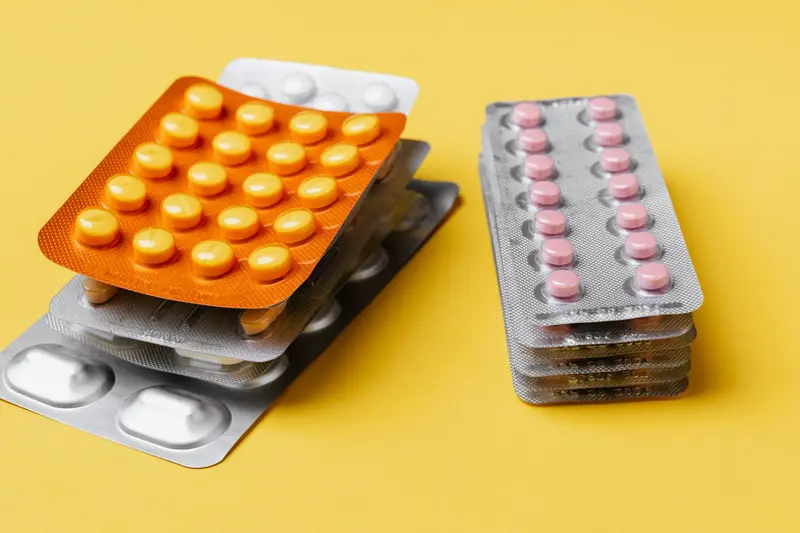
- A generic contains the same active ingredient, at the same strength, as the brand it is compared with.
- Colour, shape, inactive ingredients and price can differ; the active ingredient and strength should not.
- In Pakistan, both brands and generics must be registered with DRAP before they can be sold.
- Check with your doctor or pharmacist before switching a long-term prescribed medicine.
Walk into any pharmacy in Karachi and you will often find the same medicine sold under several names, at noticeably different prices. One pack has a familiar brand name; the one beside it simply says “Paracetamol 500mg” or “Omeprazole 20mg”. This guide explains what actually differs between brand and generic medicines, what stays the same, and how to make a safe choice with your pharmacist.
What is the difference between brand and generic medicines?
A branded medicine is sold under a trade name chosen by its maker, such as Feverol or Gastrocid. A generic medicine is sold under the name of its active ingredient, such as paracetamol or omeprazole. Both contain the same active ingredient at the same strength; the differences are usually in name, appearance, inactive ingredients and price.
The active ingredient is the substance that does the medical work. The inactive ingredients (sometimes called excipients) are things like fillers, binders, coatings and colours that turn the active ingredient into a tablet, capsule or syrup.
In everyday Pakistani pharmacy language, “brand” usually means a well-known trade name, and “generic” means a product named after its active ingredient. Strictly speaking, many generics in Pakistan also carry a company name, but the principle is the same: you are comparing products with the same active ingredient.
Which medicines in our store have both a brand and a generic?
Many everyday medicines are available in both forms. Comparing them side by side is the easiest way to see what is the same and what is not. The table below shows examples from the MediLane range; the active ingredient and strength match in each pair.
| Brand product | Generic equivalent | Active ingredient | Commonly used for |
|---|---|---|---|
| Feverol 500mg Tablets | Paracetamol 500mg Tablets (Generic) | Paracetamol | Pain and fever |
| Gastrocid 20mg Capsules | Omeprazole 20mg (Generic) | Omeprazole | Acid-related stomach problems |
| Glimer 2mg | Glimepiride 2mg (Generic) | Glimepiride | Type 2 diabetes (prescription) |
| Amlocard 5mg | Amlodipine 5mg (Generic) | Amlodipine | High blood pressure (prescription) |
| Azimax 500mg | Azithromycin 500mg (Generic) | Azithromycin | Bacterial infections (prescription) |
You can put any pair into our compare tool to see the details next to each other, or browse the full generic medicines range.
What stays exactly the same?
The active ingredient, its strength, and the form of the medicine (tablet, capsule, syrup) should be the same in a true generic equivalent. The way you take it, as set out on the label and leaflet, is normally the same too. These are the details that matter most for how a medicine works.
When you compare two packs, check these four things on each label:
- Active ingredient - the scientific name, for example “amlodipine (as besylate)”.
- Strength - for example 5mg per tablet.
- Form - tablet, capsule, syrup, drops and so on.
- Release type - ordinary, or modified/extended release (often shown as SR, XR, MR or ER).
The fourth point is easy to miss. An ordinary tablet and an extended-release tablet of the same strength are not interchangeable, even with the same active ingredient. If you see letters after the name, ask a pharmacist.
What can be different between a brand and a generic?
Appearance, inactive ingredients, packaging and price can all differ. These differences do not usually change how the medicine works, but inactive ingredients can matter to some people, for example those with specific allergies or intolerances, or those avoiding certain ingredients for dietary or religious reasons.
Common differences include:
- Colour, shape and size of the tablet or capsule
- Markings printed or embossed on the tablet
- Inactive ingredients, such as lactose, colourings or gelatin in capsule shells
- Taste of syrups and chewable tablets
- Pack size and packaging design
- Price
If you have a known allergy or intolerance, read the full ingredient list in the leaflet or ask a pharmacist to check it for you before you switch.
Are generic medicines safe and properly regulated in Pakistan?
Yes. In Pakistan, every medicine sold legally, brand or generic, must be registered with the Drug Regulatory Authority of Pakistan (DRAP). Registration is meant to confirm that the product meets required standards. The biggest real risk is not generics as such, but unregistered, counterfeit or poorly stored products bought from unreliable sources.
A few practical habits help:
- Buy from a licensed pharmacy, not from roadside stalls or unknown online sellers.
- Check the pack for the manufacturer’s name, batch number, expiry date and registration number.
- Look at the seal; do not accept a pack that looks opened, damaged or relabelled.
- Check storage - in Karachi’s heat, how a medicine has been kept matters as much as who made it.
Licensed pharmacies such as ours buy from authorised distributors and store stock according to label instructions. If you ever suspect a medicine is fake or has caused a side effect, report it to DRAP and tell your pharmacist.
Why is the generic usually cheaper?
Generics are usually cheaper because their makers generally do not carry the cost of discovering and launching the original medicine, and they typically spend less on marketing. Medicine prices in Pakistan are also regulated. A lower price, by itself, is not a sign of lower quality when the product is registered and bought from a licensed source.
For people on long-term treatment, such as blood pressure or diabetes medicines taken every day, the saving over months can be meaningful for a household budget. That is often the main reason people ask us about generics.
Price should never be the only factor, though. If your doctor has asked you to stay on a particular brand, follow that advice, and ask them about alternatives at your next review.
Is it safe to switch from a brand to a generic?
For many medicines, switching to a registered generic with the same active ingredient, strength and form is straightforward. For long-term or carefully balanced medicines, speak to your doctor or pharmacist first, then stay with one product consistently and keep up any monitoring your doctor has asked for.
A sensible way to switch:
- Ask first. Mention the switch to your doctor or a pharmacist, especially for heart, blood pressure, diabetes, thyroid, epilepsy or blood-thinning medicines.
- Match the details. Same active ingredient, strength, form and release type.
- Avoid double-dosing. Do not take the old brand and the new generic together. They are the same medicine.
- Stay consistent. Once you have switched, try to stick with the same product rather than changing every month.
- Keep monitoring. If your doctor has asked you to check blood pressure or blood sugar at home, carry on. Our medical devices range includes home monitors.
- Report anything unusual. If you notice a change in how you feel, tell your doctor or pharmacist.
With prescription-only medicines such as Glimepiride, Amlodipine or Azithromycin, a pharmacist checks your prescription before supplying either the brand or the generic. You can upload a prescription on our prescriptions page.
How do I avoid taking the same medicine twice?
Read the active ingredient, not just the brand name, on every pack you use. Double-dosing often happens when someone has a branded product at home and buys a generic, or a combination cold remedy, that contains the same ingredient. Paracetamol is the classic example in Pakistani households.
Practical steps:
- Keep a written list of the active ingredients you take, not just the brand names.
- Check combination products, such as cold and flu remedies, for paracetamol or other ingredients you already take.
- Keep one pack of each medicine open at a time, in its original box with its leaflet.
- Bring your medicines, or photos of the packs, when you visit the pharmacy or doctor.
Our pharmacists are happy to look through a list of what you take and point out any overlaps.
When to speak to a pharmacist or doctor
Speak to a pharmacist or your doctor before switching if you take a long-term medicine, take several medicines, are pregnant or breastfeeding, are buying for a child or older relative, or have allergies. Ask straight away if a new pack looks or tastes unexpected, or if you feel different after switching.
You can ask a pharmacist online, call our Clifton or Gulshan-e-Iqbal branch, or visit us in person. If you have a severe reaction, call Rescue 1122 or Edhi 115.
This article is general information, not medical advice. Always follow the label, the leaflet and the advice of your doctor or pharmacist.
This guide is general information, not medical advice. Read the leaflet and follow your doctor's or pharmacist's advice for your own situation. In an emergency call 1122.

Articles are written and reviewed by the MediLane pharmacy team for general information. They are not medical advice — always read the leaflet and speak to your doctor or pharmacist about your own situation.
Questions about this topic
Is a generic medicine the same as the brand?
A generic contains the same active ingredient at the same strength and in the same form as the brand. Inactive ingredients, colour, shape and packaging may be different. Your pharmacist can confirm whether two products are true equivalents.
Why are generic medicines usually cheaper?
Generic makers generally do not carry the original research and launch costs of the first brand. They also spend less on promotion. A lower price does not, on its own, mean a lower-quality product.
Are generic medicines registered with DRAP?
Yes, any medicine sold legally in Pakistan, branded or generic, must be registered with the Drug Regulatory Authority of Pakistan. The registration number usually appears on the pack. Buy from a licensed pharmacy to avoid unregistered or counterfeit products.
Can I switch my blood pressure or diabetes medicine to a generic?
Often you can, but speak to your doctor or pharmacist first. For long-term medicines it helps to stay on one product consistently once you have switched, and to keep monitoring as your doctor advises.
Why does my generic tablet look different from my old one?
Manufacturers are free to use their own colour, shape, size and markings. A different appearance is normal, but always check the active ingredient and strength on the label. If anything looks unexpected, ask a pharmacist before taking it.
Can the pharmacist change my prescribed brand to a generic?
A pharmacist will only supply what is appropriate for your prescription and will discuss any alternative with you first. If your prescriber has written a specific brand for a reason, we follow that. You can always ask about generic options.
Do generics work for antibiotics like azithromycin?
A registered generic antibiotic contains the same active ingredient as the brand, for example Azithromycin 500mg compared with Azimax 500mg. Antibiotics are prescription-only and must be taken exactly as your doctor prescribes. Finish the course unless told otherwise.
No question matches — try another word, or ask a pharmacist.